The Alliance for Cannabinoid Medicines
The aim of the International Alliance for Cannabinoid Medicines (IACM) is to advance knowledge on cannabis, cannabinoids, the endocannabinoid system, and related topics especially with regard to their therapeutic potential.
The mission is achieved in particular through the following actions:
Support for research into cannabis products and the endocannabinoid system;
Promotion of exchange of information between researchers, health care practitioners, patients and the public;
Preparation and dissemination of reliable information on the pharmacology, toxicology and therapeutic potential of cannabis and modulators of the endocannabinoid system;
Monitoring and documentation of national and international developments with respect to cannabinoid therapeutics;
Co-operation with other organisations and associations sharing the mission and goals of the IACM
The IACM declares that it is the right of doctors to be able to discuss the medicinal use of cannabis with their patients.
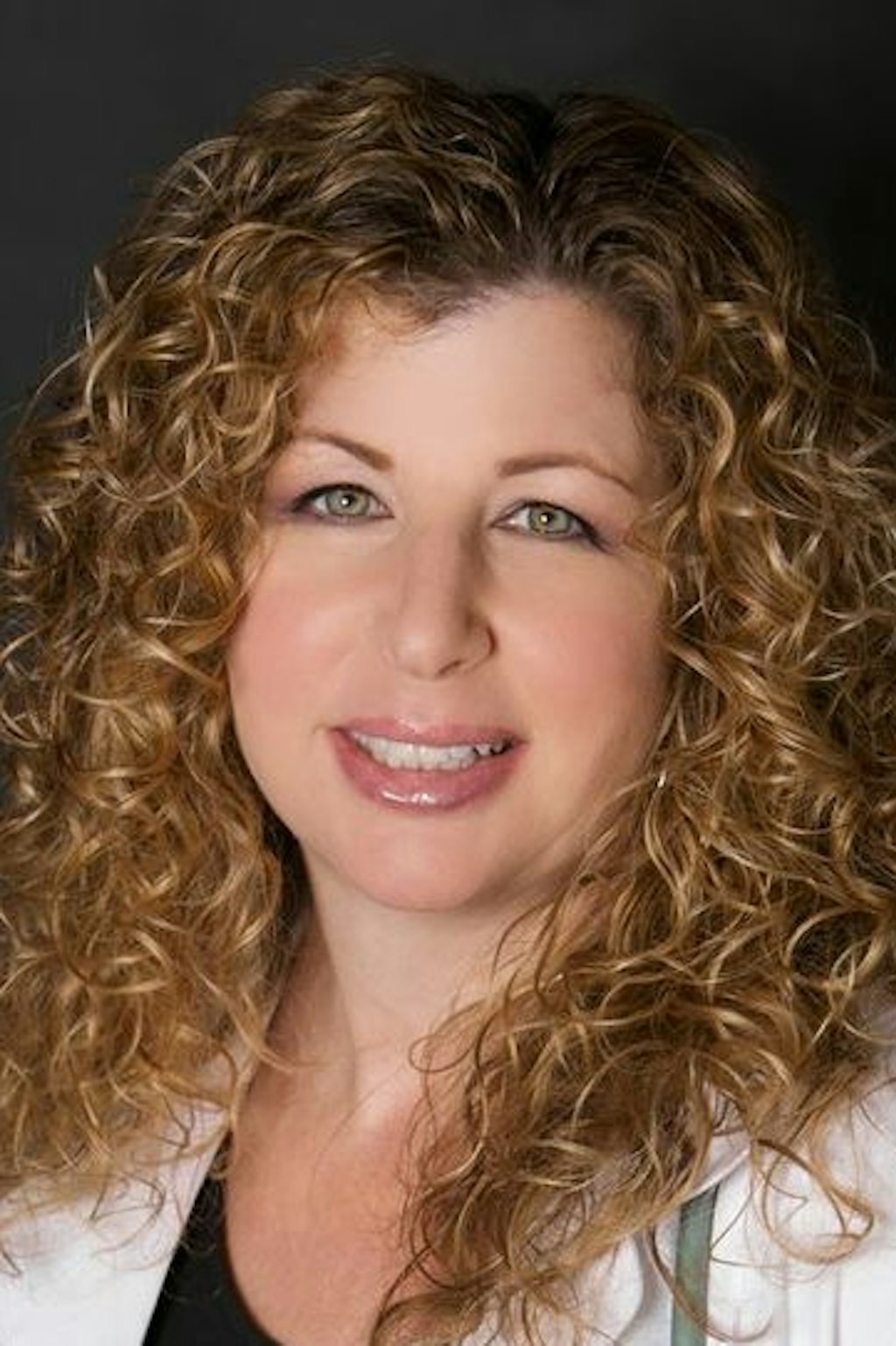
Kirsten Müller-Vahl
First Chairperson
Kirsten R. Müller-Vahl is a specialist in neurology and psychiatry and senior physician at the Department of Psychiatry, Social Psychiatry and Psychotherapy at the Hannover Medical School (MHH) and leads there the "Tourette's Research Group" . She is the 1. chairwoman of the "Arbeitsgemeinschaft Cannabis als Medizin " and the "International Alliance for Cannabis as Medicine" (IACM) as well as member of the expert committee for narcotics of the Federal Opium Agency of the Federal Institute for Drugs and Medical Devices (BfArM) . She was an individual expert in the Committee on Health of the German Bundestag for the hearing on the draft law amending narcotics regulations on the marketability and prescribability of additional cannabis medicinal products. In 2017, she received the “IACM Award for Clinical Research for her special achievements regarding the re-introduction of cannabis and cannabinoids as medicine”. She is the principal investigator in numerous DFG, BMBF, EU and industry funded studies, including cannabis-based medicines and cannabinoid modulators, has more than 160 scientific articles and numerous book chapters and is co-editor of the standard work on cannabis as medicine: Müller-Vahl KR, Grotenhermen F (Hrg). Cannabis als Medizin, Berlin: MWV Medizinisch Wissenschaftliche Verlagsgesellschaft; 2020. ISBN: 978-3-95466-509-9. She is editor or member of the editorial board of the journals "Cannabis and Cannabinoid Research" and "Medical Cannabis and Cannabinoids".
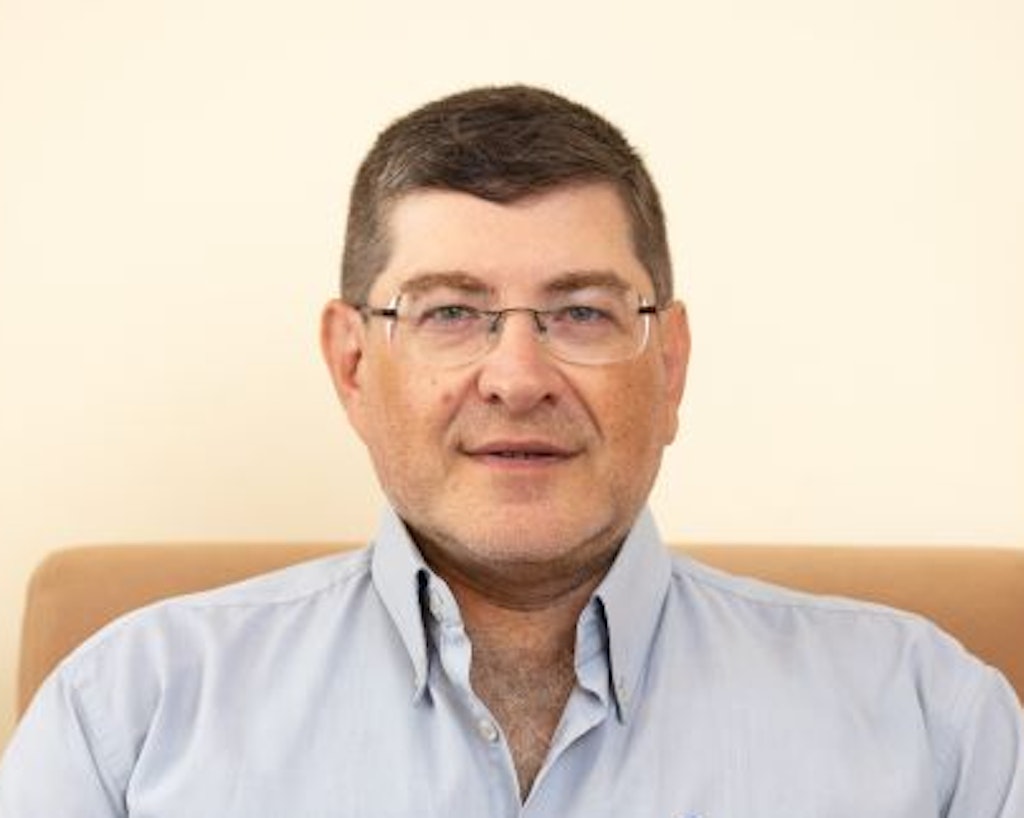
Read more →Franjo Grotenhermen
Second Chairperson
Franjo Grotenhermen graduated in medicine and received his doctorate in Cologne. His fields of practice included internal medicine, surgery and naturopathy. He is head of the Centre for Cannabis Medicine in Steinheim (NRW) with a focus on therapy with cannabis and cannabinoids. Grotenhermen is Executive Director of the Arbeitsgemeinschaft Cannabis als Medizin e.V. (ACM) (since 1997), Executive Director of the International Association for Cannabinoid Medicines (IACM) (since 2000) and author of the IACM Information, which appears fortnightly in several languages on the IACM website. Grotenhermen is an employee of the Cologne-based nova Institute, co-owner of Endoxo GmbH (founded in 2019), a company that produces CBD and other hemp products. He is a lecturer at Dresden International University. He is Chief Medical Advisor of Telaleaf Health, an internet platform for telemedicine in the field of cannabis and cannabinoids. He is a member of the Scientific Advisory Board of the journals Cannabis and Cannabinoid Research, edited by Prof. Daniele Piomelli at Mary Ann Liebert Publishing, and of the Scientific Advisory Board of Medical Cannabis and Cannabinoids, edited by Prof. Rudolf Brenneisen at Karger Publishing. He is honorary president of the Union Francophone pour les Cannabinoïdes en Médecine (UFCM) as well as a member of the scientific advisory board of Portugal Medical Cannabis (PTMC). He received the following awards: Hanf-Preis 1999 of Cannabusiness, IACM 2011 Special Award, ICBC 2018 Lifetime Achievement Award, Robert Newman Memorial Award 2018 of Akzept e.V., Honorary Award GFS-Award 2021 of Gemeinnützige Forschungsvereinigung Saluplanta e.V..
Read more →Daniele Piomelli
Board Member
Daniele studied neuroscience with James H. Schwartz and Eric Kandel at Columbia University, and with Paul Greengard at the Rockefeller University. In 2000, two of his mentors (Kandel and Greengard) were awarded the Nobel Prize for their contributions to physiology and medicine. After working in Paris and La Jolla, Daniele joined the University of California, Irvine, where he is now Louise Turner Arnold Chair in Neurosciences and Distinguished Professor of Anatomy and Neurobiology. He is an author of >420 peer-reviewed articles, three full-length books, and >35 patents. Since 2018, Daniele is Editor-in-Chief of the peer-reviewed journal Cannabis and Cannabinoid Research.
Read more →Francisco Silveira Guimarães
Board Member
I graduated in Medicine in 1981 and obtained my Ph.D. in Pharmacology at the Medical School of Ribeirão Preto, Brazil, under the supervision of Prof. Antonio W. Zuardi. I then completed my post-doc (1989-1990) at the Neuroscience and Psychiatric Unit at Manchester University, UK, under the supervision of Professor John F.W. Deakin. Since 2007 I have been a full Professor at the Department of Pharmacology, Medical School of Ribeirão Preto, University of São Paulo, Brazil, where I started as an assistant professor in 1987. I am a full member of the Brazilian and São Paulo Academies of Science, Brazilian Society of Pharmacology and Experimental Therapeutics (SBFTE), International Alliance for Cannabis as Medicine, European Behavioral Pharmacology Society and the International Behavioral Neuroscience Society. I am also a member of the Editorial Board of Psychopharmacology, International Journal of Neuropsychopharmacology, Cannabis and Cannabinoid Research, and the Journal of Cannabis Research. I have published more than 300 papers in International Journals, 33 book chapters, organized 2 books, have 2 international patents, and supervised 23 Ph.D. thesis and 11 pos-docs. My current research interest is focused on the role of atypical neurotransmitters (nitric oxide and endocannabinoids) in anxiety and mood control and the effects of cannabidiol, a non-psychotomimetic component on Cannabis sativa, in neuropsychiatric disorders.
Read more →Debra Kimless
Board Member
Debra Kimless, M.D. graduated magna cum laude, Phi Beta Kappa from Muhlenberg College with a double major in Natural Sciences and Biology. She attended medical school at Rutgers, and residency at Temple University Hospital and is a board-certified Anesthesiologist with a subspecialty certification in Pain Medicine, is board certified by the American/International Lifestyle Medicine Board and is a certified principal investigator. Dr. Kimless has been in the medical cannabis field since 2013 where her diverse involvement spans many areas including cannabis cultivation, processing, formulation, testing, patient care, and conducting research. She consults within the industry as an advisor for companies who are interested in novel formulations specific to medical conditions, develops protocols, obtains IRB approval, conducts clinical trials, and helps to publish the results. She also is head of clinical research for an academic medical center as well as serves as a scientific advisor for a cannabis investment company. Dr. Kimless has helped over 500 patients attain their health goals by using nutrition and medical cannabis. Dr. Kimless is a passionate educator and lectures around the with the intent to promote knowledge with tangible data and to de-stigmatize medical cannabis.
Read more →Bonni Goldstein
Board Member
Bonni Goldstein, MD is the Medical Director and Owner of Canna-Centers Wellness & Education, a California-based medical practice devoted to educating patients about the use of cannabis for serious and chronic medical conditions. She completed her internship and residency at Children's Hospital Los Angeles, where she also served as chief resident. She worked in the field of Pediatric Emergency Medicine in Los Angeles for 14 years. In 2008, she developed an interest in the science of medical cannabis after witnessing its beneficial effects in an ill friend. She has since evaluated thousands of patients for use of medical cannabis and is recognized as an expert in the clinical application of cannabis therapeutics. Dr. Goldstein has a special interest in treating children with intractable epilepsy, autism, cancer and other conditions. She has written two books on the clinical application of medicinal cannabis and published a number of articles pertaining to the use of cannabis for epilepsy and autism. Her current research focuses on pharmacometabolomics and the use of cannabis-responsive biomarkers to document cannabis treatment efficacy, guide clinical decision-making and improve outcomes in children with autism.
Read more →Ilya Reznik
Board Member
Dr. Ilya Reznik is a Board-certified specialist in Adult Forensic & Clinical Neuropsychiatry at MaReNa Diagnostic and Consulting Center, Israel. Dr. Ilya Reznik has a superior educational and professional record and documented contributions to the field of neuropsychiatric research, such as publications and other innovative activities. Dr. Reznik has published many original papers (including controlled trials), reviews, and case reports in leading peer-reviewed journals in clinical psychiatry and neuropsychopharmacology. His current main interest is in the field of the medicinal use of cannabis and cannabinoids, especially for various neuropsychiatric illnesses, such as Chronic Pain Syndrome, Fibromyalgia, Post-Traumatic Stress Disorder (PTSD), Epilepsy, Head/Brain Injury, OCD, ADHD, Gilles de la Tourette syndrome, Chronic Headache, Parkinson's and Alzheimer diseases, etc. During the last 14 years, Dr. Reznik gained extensive clinical & research experience working with cannabis and its products in NeuroPsychiatry and General & Complementary/Integrative Medicine. He coordinates the activity of the Israel National Forum for Medical Cannabis Research & Treatment and served as a professional advisor (and permanent participant and observer) to the Israeli Parliament (Knesset) Committee for Drugs and Alcohol Control and to Parliamentary Public Lobby for Medicinal Cannabis. Dr. Reznik is a renowned International Speaker on Cannabinoid Medicine issues. He is an Associate Member of The Canadian Consortium for the Investigation of Cannabinoids (CCIC) & of the International Cannabinoid Research Society (ICRS). In 2013 he was elected to the Board of Directors of, the International Association for Cannabinoid Medicines (IACM). In 2019 Dr. Ilya Reznik was appointed as an IACM Secretary for Partnership & Networking and promotes Educational and International activity within IACM.
Read more →Roger Pertwee
Board Member
Roger Pertwee has three degrees from the University of Oxford: MA (in biochemistry), D.Phil. (in pharmacology) and D.Sc. (in physiological sciences). He is now an Emeritus Professor at the University of Aberdeen. He is also co-chairman of the International Union of Basic and Clinical Pharmacology (IUPHAR) Subcommittee on Cannabinoid Receptors, a co-ordinator of the British Pharmacological Society’s Special Interest Group on Cannabinoids, a co-founder of the International Cannabinoid Research Society (ICRS) , and an invited scientific advisor on cannabinoid pharmacology/therapeutics to the Beckley Foundation , has had formal cannabinoid pharmacology-related links with several pharmaceutical companies, and currently has such a link with GW Pharmaceuticals. He has served too, twice as President of the ICRS (1997-1998 and 2007-2008), and once as Chairman of the International Association for Cannabinoid Medicines (IACM; 2005-2007), and is also currently ICRS International Secretary, and a member of the IACM Board of Directors. He was the recipient of the 2002 Mechoulam Award “for his outstanding contributions to cannabinoid research”. He was also awarded the 2011 Wellcome Gold Medal by the British Pharmacological Society (BPS) “for outstanding contributions to pharmacology, based mainly on research achievements”, and the 2013 IACM Special Award “for his major contributions to the re-introduction of cannabis as a medicine”, and is an Honorary Fellow of the BPS: this fellowship is awarded to BPS members who have “demonstrated distinction and peer recognition in science, or have given long and valuable service to the Society”. In addition, he was identified by Thomson Reuters in 2005 to be a “Highly Cited Researcher” and hence among “the world's most cited and influential researchers”. He also received (1) a Highly Cited Researcher Award from Thomson Reuters in September 2014 “in recognition of ranking among the top 1% of researchers for most cited documents in their specific field” (see Pertwee in “Archives” ) and from Clarivate Analytics in 2018 “ in recognition of exceptional research performance demonstrated by production of multiple highly cited papers, those that rank in the top 1% by citations for field and year in Pharmacology and Toxicology” and (2) the 2018 Lifetime Achievement Award from the International Cannabinoid Research Society "for outstanding contributions to cannabinoid research and the ICRS".
Read more →Carola Perez
Spokesperson of the Patient Council
Carola is the president of the Observatorio Español de Cannabis Medicinal and founder of the patient association dosemociones. She has been has been working tirelessly since 2014 for patients' rights, helping and advising on the properties of medical cannabis in Spain and Europe. Carola is also chair of the IACM Patient Council, an international coalition of patients' organizations that have gathered together to help give a voice to patients the world over and to work together in order to protect their rights and interests in the ever-developing world of medicinal cannabis.
Read more →